
Revolutionizing Family Income through Multi-Crop and Machan Farming
Introduction
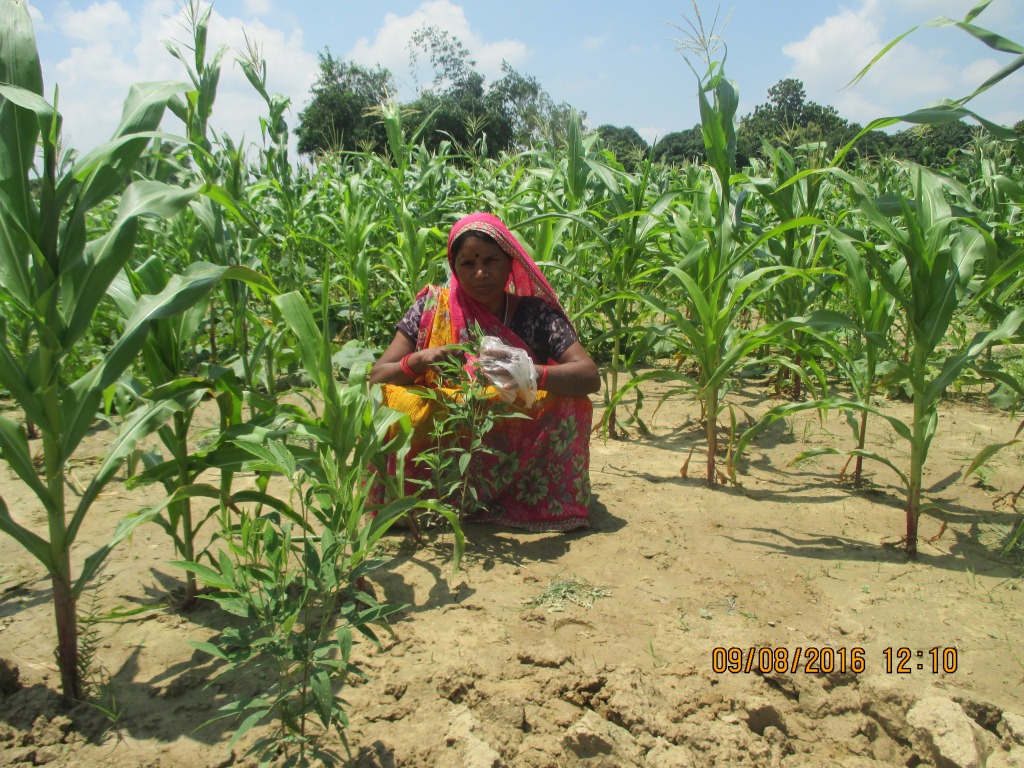
Manrawati, a 45-year-old farmer from Banjarah village, transformed her family’s livelihood through diversified cropping and Machan farming, supported by Swabhiman Samiti’s interventions. Her household of 12 members faced severe financial constraints, relying on subsistence farming and external labor migration for survival.
Challenges Faced
- Low Agricultural Income:
Farming 0.90 acres with traditional methods yielded limited profit, insufficient to support the family. - Dependency on Migration:
Two sons migrated annually for work, leaving the family vulnerable during peak farming seasons. - Resource Scarcity:
High input costs and lack of irrigation facilities added to their challenges.
Intervention by Swabhiman Samiti
Under the FASAL-2 Project, Swabhiman Samiti initiated the Women Farmers’ Group in Banjarah, training participants in innovative practices such as:
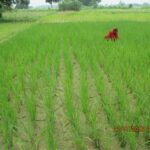
- SRI Paddy Cultivation: Efficient water and input management.
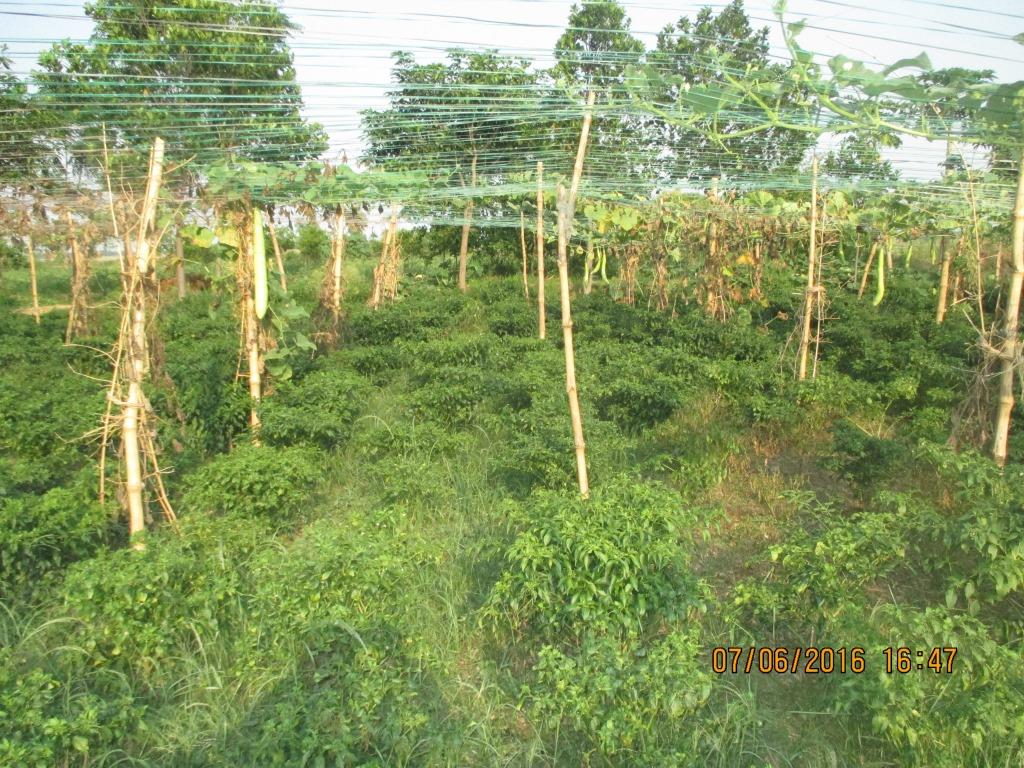
- Machan Farming: Vertical platforms for vegetable cultivation.
- Crop Diversification: Optimizing land use for multiple crops.

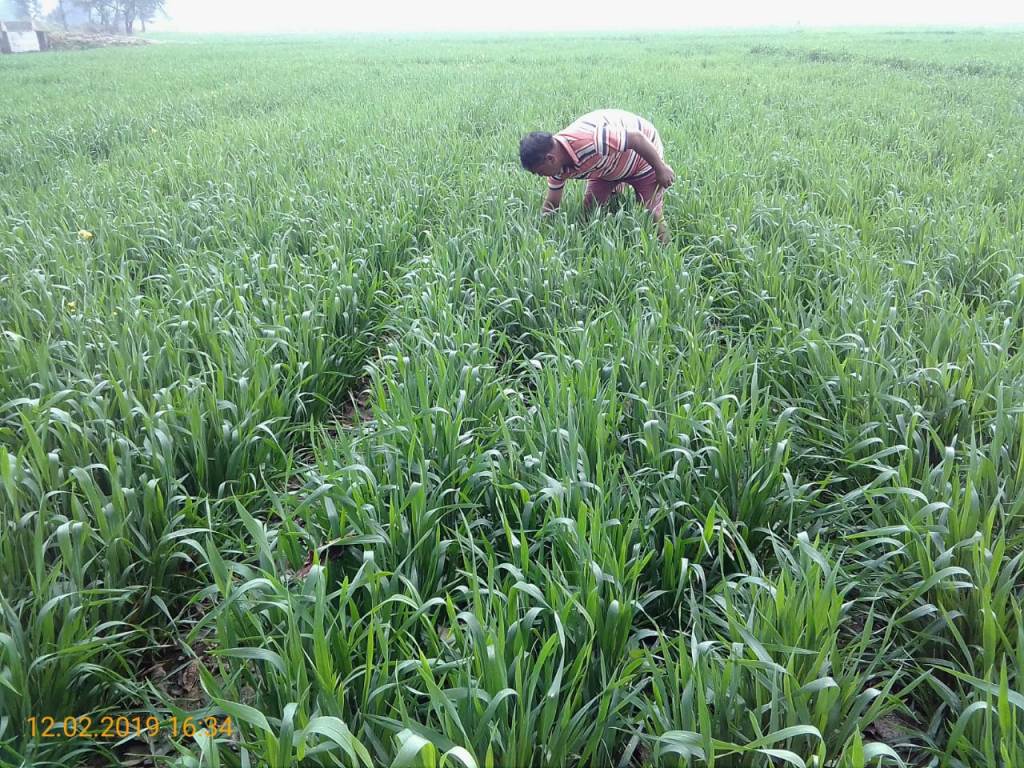
Implementation and Results
- Pigeon Pea Cultivation:
- Area: 0.30 acres
- Net Income: ₹41,000
- SRI Paddy Cultivation:
- Area: 0.20 acres
- Yield: 6.5 quintals
- Machan Farming (Vegetables):
- Area: 0.20 acres
- Annual Income: ₹34,000
- Chickpea Cultivation:
- Area: 0.20 acres
- Net Income: ₹8,700
Total Annual Income: Over ₹83,000
Impact
- Financial Stability:
- Improved agricultural income enabled the purchase of a buffalo and installation of a borewell with a pump set.
- Reduced Migration:
- Her sons no longer needed to migrate for work and began assisting with farming and vegetable sales.
- Sustainability:
- The use of organic manure and improved irrigation practices enhanced soil health.
- Community Role Model:
- Manrawati’s success encouraged nine other women in her village to adopt similar practices.
Conclusion
Manrawati’s story highlights the transformative power of adopting diversified cropping and Machan farming techniques. Her resilience and willingness to embrace change have not only improved her family’s livelihood but also inspired her community to pursue sustainable agriculture.
Acknowledgment
The above stories exemplify the profound impact of Swabhiman Samiti’s Crop-2 Project in empowering women farmers. By providing knowledge, training, and resources, the organization has enabled rural families to achieve financial stability and sustainability, fostering a culture of innovation and resilience in the region.