Two-Day Training on Menstrual Hygiene Management – Swabhiman Samiti, Siddharthnagar
Introduction
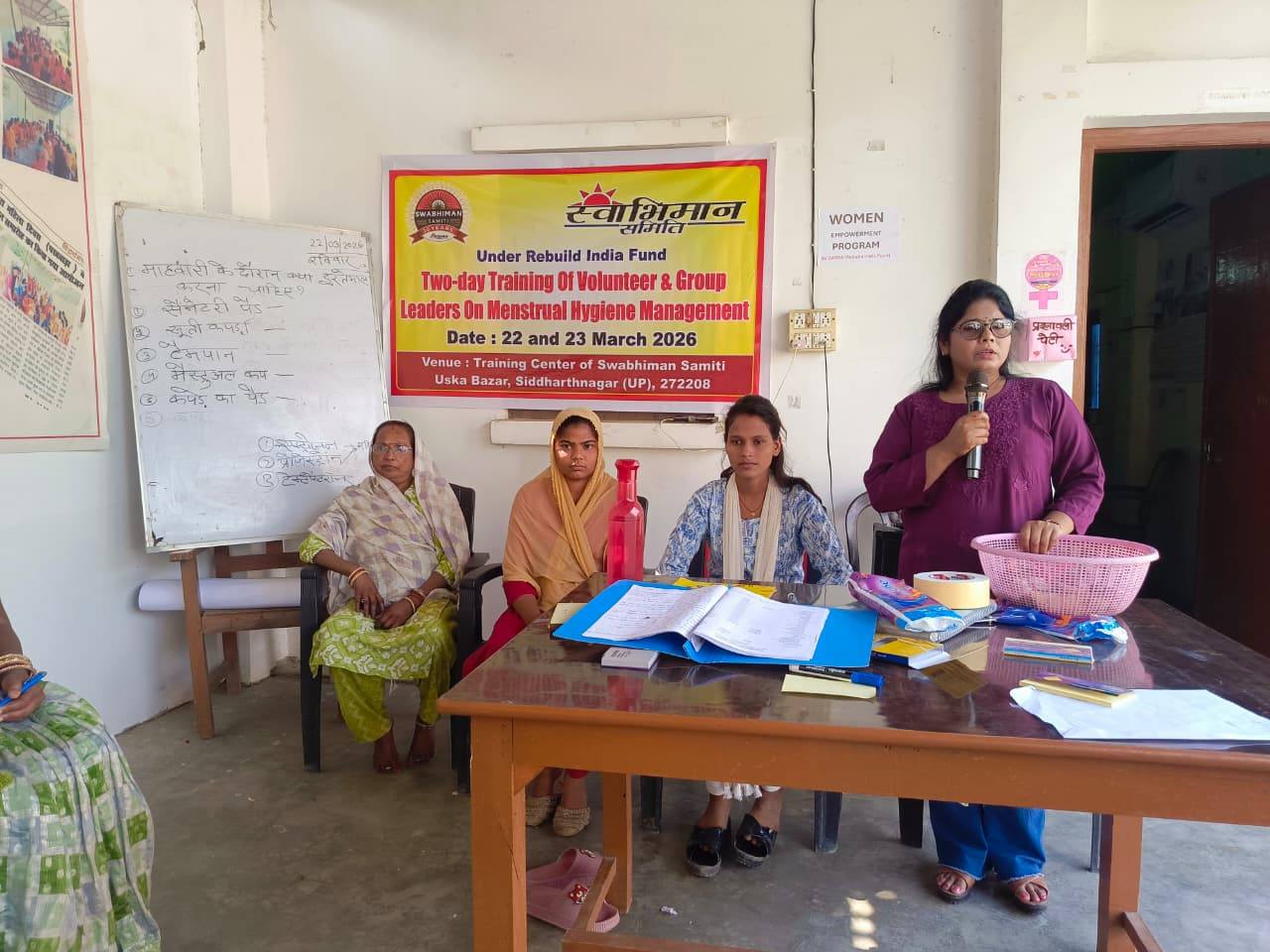
Swabhiman Samiti organized a two-day training program on Menstrual Hygiene Management on 22–23 March 2026 at its Training Center in Uska Bazar, Siddharthnagar (U.P.), under its Women Empowerment Programme. The training aimed to address myths and misconceptions surrounding menstruation, promote hygienic practices, and provide accurate health-related information to women and adolescent girls.
The program served as an important platform to create awareness and encourage open dialogue on a topic that is often considered sensitive in rural communities.
Participation
A total of 30 participants attended the training, representing 10 villages and 10 community groups, reflecting diverse participation and strong community engagement.
Key Highlights
Objective:
To break myths related to menstruation, promote menstrual hygiene awareness, and equip participants with accurate knowledge to improve health and well-being.
Key Activities:
The sessions were facilitated by experienced trainers Mrs. Mamta Verma and Ms. Sambhavati, who provided comprehensive insights into the scientific aspects of menstruation. Participants were guided on the importance of maintaining personal hygiene during menstrual cycles and were introduced to the use of sanitary pads and other safe alternatives.
Detailed discussions were also held on safe disposal methods, emphasizing environmental and health considerations. The sessions aimed to normalize conversations around menstruation and encourage informed and healthy practices.
On the second day, the training adopted a participatory approach through group discussions, experience sharing, and a question–answer session. This created a safe and supportive environment where participants could openly share their concerns, clarify doubts, and learn from each other’s experiences.
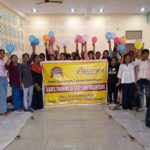
At the conclusion of the training, participants collectively took a pledge to spread awareness about menstrual hygiene in their respective villages and communities.


Impact
The training significantly improved participants’ understanding of menstrual health and hygiene practices. It helped dispel myths and misconceptions, enabling women to adopt healthier behaviors and make informed decisions.
Participants gained confidence in discussing menstrual health openly and are now better equipped to educate others in their communities. The program also contributed to reducing stigma associated with menstruation and promoting dignity and well-being among women and girls.
Conclusion
The two-day training on Menstrual Hygiene Management proved to be an effective initiative in promoting awareness and empowering women with essential health knowledge. It reinforced the importance of continuous education and community engagement in addressing sensitive issues and improving public health outcomes.
Such initiatives are vital for building healthier, informed, and empowered communities, particularly in rural areas.
Acknowledgment
Swabhiman Samiti extends its sincere appreciation to the trainers, participants, and organizing team for their active involvement and contribution to the success of the training program.
Mr. Vinod Prajapati, Secretary of Swabhiman Samiti, emphasized the importance of such initiatives in improving women’s health and empowerment and reaffirmed the organization’s commitment to continuing similar programs in the future.