Strengthening Digital Education Partnerships: eVidyaloka Visit to Swabhiman Samiti
Blog Details
Home >
Blog >
Strengthening Digital Education Partnerships: eVidyaloka Visit to Swabhiman Samiti
Adolescent & SRHR
Strengthening Digital Education Partnerships: eVidyaloka Visit to Swabhiman Samiti
15 May 2026 ksp 3 min read
Article Details
Introduction
Swabhiman Samiti welcomed Ms. Khyati Ji from eVidyaloka for an important field visit and stakeholder interaction focused on strengthening digital education initiatives in rural communities of Uttar Pradesh. The visit included meetings with education department officials and field observations at Kasturba Gandhi Balika Vidyalaya (KGBV) schools in Siddharthnagar and Maharajganj districts.
Objectives of the Visit
The primary objective of the visit was to review the implementation of digital classroom initiatives, strengthen institutional coordination, and identify opportunities for improving access to quality education in rural government schools. The visit also aimed to understand field-level challenges and discuss strategies for enhancing digital learning engagement among students.
Meetings with Education Department Officials
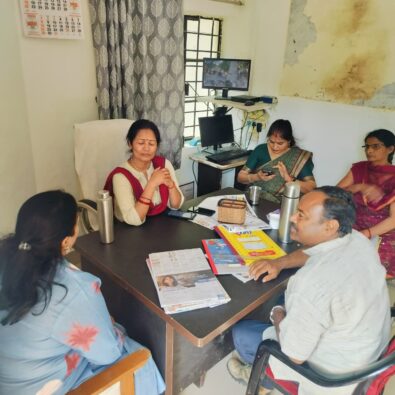
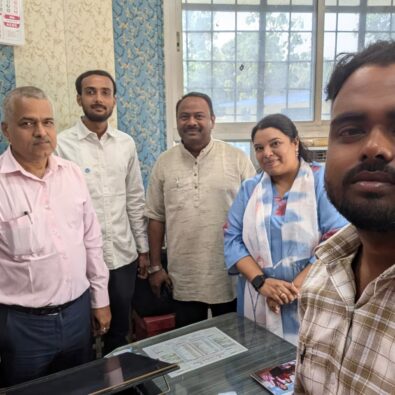
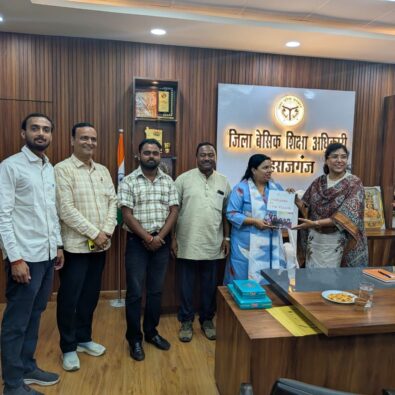
During the visit, meetings were conducted with the Basic Shiksha Adhikari (BSA) and education department officials of Siddharthnagar and Maharajganj. Discussions focused on strengthening digital classroom implementation, increasing participation of students in online learning sessions, and improving collaboration between schools and implementing organizations.
The delegation included Mr. Vinod Kumar, Ms. Mamta Verma, Mr. Bovi Kumar (Field Coordinator), and team members of Swabhiman Samiti. Important discussions were held regarding educational outreach, digital learning infrastructure, and support mechanisms for rural schools.
Field Visit to KGBV Schools
The team also conducted field visits to Kasturba Gandhi Balika Vidyalaya (KGBV) schools to observe digital learning activities and interact with school staff and students. During the field review, classroom engagement, digital learning facilities, and implementation processes were closely observed.
Students actively participated in interactions and shared their experiences regarding online learning and digital classroom activities. School staff appreciated the collaborative efforts being made to strengthen educational opportunities for children studying in remote rural areas.
Key Discussion Points
Strengthening digital classroom initiatives in government schools
Improving participation of students in online education
Enhancing coordination with education department officials
Supporting schools through technology-enabled learning systems
Identifying field-level implementation challenges
Expanding inclusive and quality education opportunities for marginalized students
Impact and Outcomes
The visit strengthened coordination between Swabhiman Samiti, eVidyaloka, and district education authorities. It also provided valuable insights into field-level needs and opportunities for improving digital education initiatives in rural communities.
The interaction with school stakeholders and government officials reinforced the collective commitment toward ensuring accessible, inclusive, and technology-enabled education for children, especially girls and students from marginalized backgrounds.
Conclusion
The visit by Ms. Khyati Ji from eVidyaloka was productive and meaningful in strengthening collaboration for rural education initiatives. Through meetings, field observations, and stakeholder discussions, the visit contributed toward improving coordination, understanding local educational challenges, and planning future strategies for expanding digital learning opportunities in Uttar Pradesh.