

Digital Samanta Sathi Abhiyan
The “Digital Samanta Sathi Abhiyan” is an initiative by Sahyog Society Lucknow and Vinod Kumar Prajapati (Secretary, Swabhiman Samiti), aimed at addressing the digital inequality faced by women and girls in rural areas. This program was implemented in Fulwariya and Kathahan villages of Uska Bazar Block, focusing on raising awareness about digital exclusion and online violence, and empowering women and girls with the skills and resources to access digital technologies. It also engaged boys and men to promote responsible digital behavior and reduce online violence.
Key Highlights:
- Target Area: Fulwariya and Kathahan villages, Uska Bazar Block.
- Families Covered: 40 families directly impacted.
- Key Activities: Digital literacy workshops, awareness campaigns, engagement of men and boys to foster responsibility in online spaces.
SS







Project Details
- Project Name:
- Digital Samanta Sathi Abhiyan
- Thematic Area:
- Gender justice
- Outcome:
- Raised awareness among men, boys, and the wider community about the importance of digital equality and reducing online violence.
Funded By
- Funder Name:
- Sahyog Society Lucknow
- Implementing Body:
- Swabhiman Samiti
Implemented By
Work Place
- Place of Work:
- Siddharthnagar District, Uttar Pradesh, India
- Year:
- 2023
Project Overview:
The “Digital Samanta Sathi Abhiyan” is a program launched by Sahyog Society Lucknow and Vinod Kumar Prajapati (Secretary, Swabhiman Samiti), aimed at addressing the issue of digital inequality between women and men in rural areas. Specifically targeting two villages (Fulwariya and Kathahan) in Uska Bazar Block, this initiative seeks to address the challenges faced by women and girls in accessing mobile phones, digital resources, and online opportunities. Despite the growing digital world, 33% of women still do not have access to a mobile phone compared to men, leaving them disadvantaged in terms of education, employment, and personal development. The program aims to raise awareness about the impact of this digital divide, while also promoting the role of men and boys in reducing online violence and fostering responsible digital usage.
Objectives:
- Raise Awareness on Digital Inequality: Highlight the challenges women and girls face in accessing digital resources and mobile technology.
- Empower Women and Girls: Promote digital literacy and equal access to mobile usage, enabling women and girls to gain educational and employment opportunities.
- Address Online Violence: Emphasize the need for responsible digital behavior and the role of boys and men in reducing online violence against women and girls.
- Encourage Equal Digital Opportunities: Advocate for equal digital access to help bridge the gap between men and women in rural communities.
Background and Rationale:
In rural areas, women and girls often face significant barriers to accessing digital technology, including mobile phones and internet resources. This digital inequality limits their access to education, healthcare, job opportunities, and social empowerment. Studies show that approximately 33% of women are without access to phones, compared to their male counterparts. Additionally, girls face unique challenges in using mobile phones and other digital resources, further exacerbating their social and economic disadvantages. The Digital Samanta Sathi Abhiyan aims to tackle these disparities and provide a platform for women and girls to access digital resources and online opportunities.
Planned Outreach:
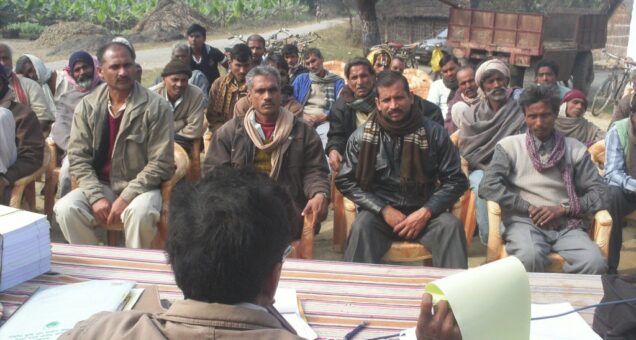
The program will cover two villages in Uska Bazar Block, Fulwariya and Kathahan, impacting 40 families directly. The outreach will focus on raising awareness about the issues surrounding digital inequality, promoting digital literacy, and encouraging a cultural shift towards responsible digital usage among men and boys. The initiative also aims to create a safe and inclusive environment for women and girls online, where they are not subjected to digital violence or harassment.
Key Strategies:
- Community Mobilization: Engaging community health workers, volunteers, and local leaders to raise awareness and encourage people to get vaccinated.
- Vaccination Camps: Organizing vaccination camps at convenient local sites to make it easier for residents to access the vaccine.
- Follow-Up and Monitoring: Ensuring that everyone receives both doses of the vaccine through effective tracking and follow-up systems.
- Stakeholder Coordination: Collaborating with local stakeholders such as health workers, government officials, and community leaders to facilitate smooth camp operations.
- Data Management: Ensuring accurate data collection and timely reporting of vaccination progress.
Core Activities:
- Community Workshops and Training: Organize workshops focused on digital literacy, online safety, and the importance of reducing digital violence.
- Mobile Phone Access and Usage: Assist women and girls in accessing mobile phones and using them for educational and employment purposes.
- Awareness and Sensitization Programs: Hold community meetings and discussions to raise awareness about digital inequality, online violence, and the need for change in social attitudes towards women's digital rights.
- Stakeholder Engagement: Collaborate with local stakeholders, including community leaders and health workers, to spread the message and advocate for change.
- Follow-up and Evaluation: Regularly evaluate the impact of the program, gathering feedback from participants to improve future initiatives.
Achievements and Outcomes:
- Empowered Women and Girls: Empowered 40 families in the target villages with mobile phone access and basic digital skills.
- Increased Awareness: Raised awareness among men, boys, and the wider community about the importance of digital equality and reducing online violence.
- Improved Digital Literacy: Improved digital literacy levels among women and girls, enabling them to explore educational and employment opportunities online.
- Engagement of Men and Boys: Successfully engaged boys and men in discussions about online violence and responsible digital usage.
- Positive Community Change: Fostered a more inclusive community where men, women, and children understand the importance of gender equality in the digital space.
Conclusion:
The “Digital Samanta Sathi Abhiyan” has made a significant impact in addressing the digital inequality faced by women and girls in Fulwariya and Kathahan villages, Uska Bazar Block. Through awareness campaigns, digital literacy training, and community engagement, the program has empowered women and girls, enabling them to access digital resources for education, employment, and personal growth. Additionally, by involving men and boys in the effort to reduce online violence, the program has contributed to changing social attitudes and promoting responsible digital behavior. Moving forward, this initiative can serve as a model for bridging the digital divide and promoting gender equality in rural communities.