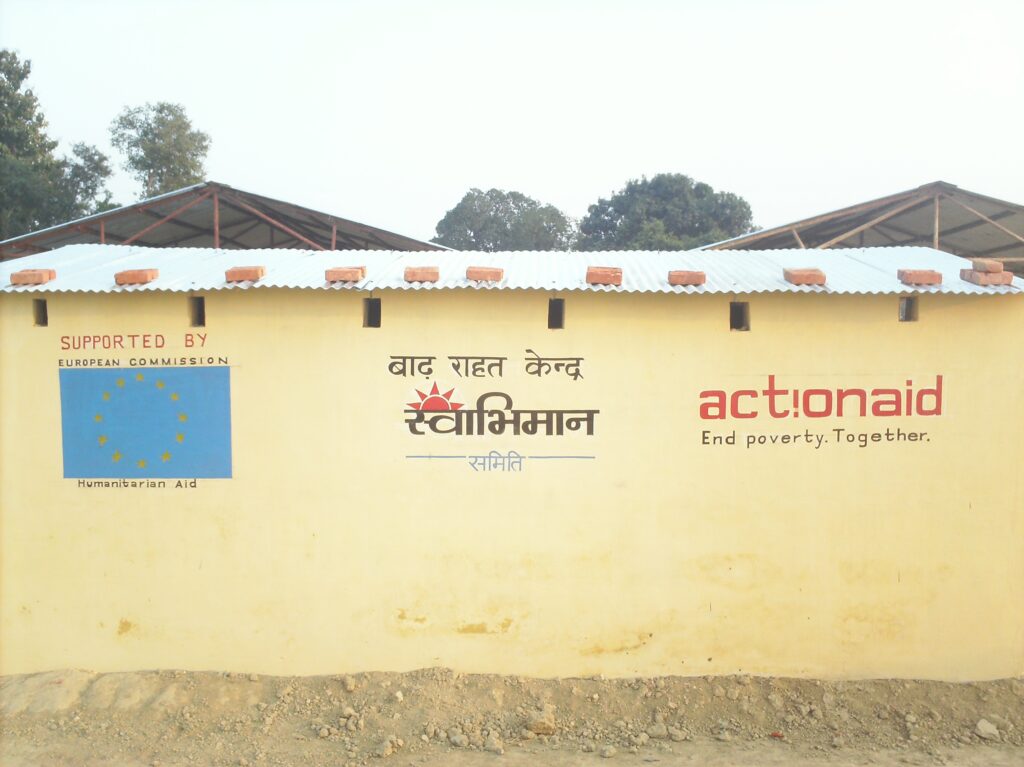
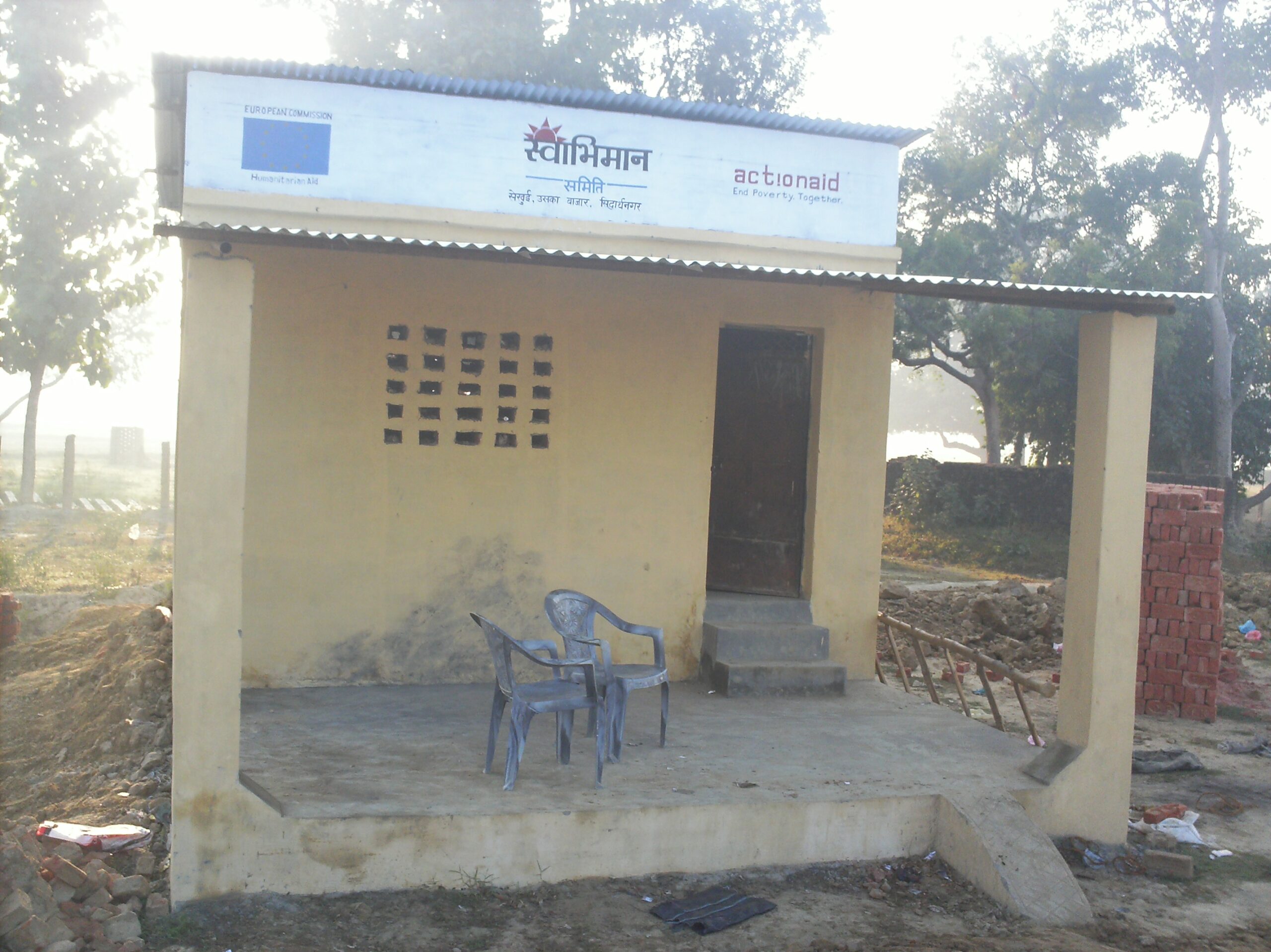
Case Story: Construction of Flood Relief Centre in Sekhui
Blog Details
Home >
Blog >
Case Story: Construction of Flood Relief Centre in Sekhui
case story
Case Story: Construction of Flood Relief Centre in Sekhui
24 Nov 2024 4 min read
Article Details
Introduction
The flood-prone Uska Bazar block in Siddharthnagar district, Uttar Pradesh, faces annual devastation due to its proximity to Nepal and the three rivers—Rapti, Budhi Rapti, and Kura—which overflow during monsoons. The absence of early flood warnings from Nepal exacerbates the situation. The runoff from heavy rainfall in Nepal inundates this district, leaving hundreds of villages marooned.
One such affected area is Sekhui village, where annual flooding displaces residents, forcing them to seek refuge on embankments. During these times, the lack of access to clean water, food, shelter, and healthcare poses severe challenges. Relief materials are often distributed from Uska Bazar, about 3 kilometers away, making it inaccessible for many. In 2007-08, the community demanded the establishment of a Flood Relief Centre to address these recurring issues.
The Need for a Flood Relief Centre
The demand for a flood relief center was raised by the local community during the ECHO/ACTIONAID flood rehabilitation program in 2007-08. Discussions with community members, elected representatives, administrative officials, and media highlighted the following needs:
Proximity to Flood Zones:
Annual flooding severely impacts nearby villages.
The absence of a local relief center forces residents to travel long distances for food and medical aid.
Basic Amenities:
Lack of safe drinking water, sanitation, and shelter worsens the situation during floods.
Women, children, and the elderly are disproportionately affected.
Community Demand:
Residents and local leaders emphasized the importance of a centrally located, well-equipped flood relief center.
Decision-Making Process
After detailed discussions with stakeholders, including villagers, local representatives, and officials, Sekhui village was selected as the site for the relief center based on its central location. Key steps included:
Community Meetings:
Villagers from Sekhui and Gaura were consulted during Tola-level meetings.
Both village heads agreed to provide land for the construction.
Land Selection:
Based on community consensus, Sekhui was deemed the ideal location due to its accessibility.
On 13th November 2007, the Sub-Divisional Magistrate (SDM) of Naugarh, Rajkeshwar, was formally petitioned for land allocation.
Land Approval:
The Gram Panchayat of Sekhui, led by Village Head Badri Prasad Yadav, allocated 105 hectares of “Naveen Parti” land (plot number 168) for the relief center.
In February 2009, the District Magistrate of Siddharthnagar approved the proposal, and the SDM issued a No Objection Certificate (NOC) and construction permit.
Construction Details
Before construction began, a site inspection was conducted by Civil Engineer Jaman Ji, who prepared the design and estimate. The plan included:
Facilities for Women:
3 toilets and 3 bathrooms.
Facilities for Men:
3 toilets and 3 bathrooms.
Shelters:
Two shelters measuring 130 x 18 feet.
Water Supply:
Installation of a hand pump.
Additional Infrastructure:
1 storeroom for relief materials.
The project was executed through contractors selected via a competitive bidding process. Key components included:
Earth Filling: Preparing the site for construction.
Civil Works: Construction of shelters, toilets, and bathrooms.
Fabrication: Building robust shelters to withstand flooding.
Material Procurement: Ensuring the quality and timely supply of construction materials.
Outcome and Impact
The Flood Relief Centre at Sekhui became operational, providing essential facilities to flood-affected residents:
Immediate Relief:
A safe haven during floods, accommodating displaced families.
Provision of clean water, sanitation, and shelter.
Improved Accessibility:
Central location reduced the distance residents needed to travel for aid.
Community Empowerment:
The involvement of locals in decision-making fostered a sense of ownership and responsibility.
Enhanced Resilience:
The center is a vital resource in managing annual flood crises, reducing the impact on lives and livelihoods.
Conclusion
The construction of the Flood Relief Centre in Sekhui is a testament to the power of community-driven development. By addressing the region’s specific challenges, ACTIONAID and local stakeholders have created a sustainable solution to mitigate the effects of annual flooding.
This initiative highlights the importance of involving communities, leveraging local resources, and fostering collaboration between government and non-governmental organizations to create impactful and lasting change.
Acknowledgment
This case study is a reflection of the collaborative efforts of ECHO/ACTIONAID, the local administration, and the people of Sekhui. Their dedication to addressing flood-related challenges has created a model for disaster preparedness and resilience in Siddharthnagar district.