

Two-Day Training on Menstrual Hygiene Management
Introduction
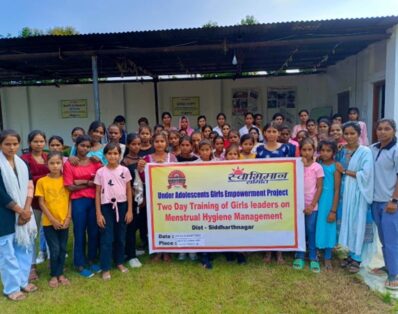
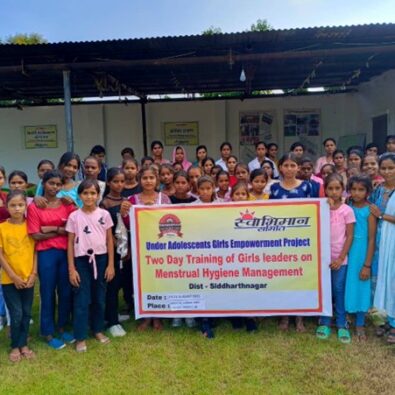
A two-day training program was successfully organized by Swabhiman Samiti at its Training Center on 24th and 25th August 2025 under the Adolescent Girls’ Empowerment Project. The training was designed to enhance awareness and understanding of Menstrual Hygiene Management (MHM) among adolescent girls. This initiative aimed to break taboos surrounding menstruation, promote healthy practices, and empower girls with the knowledge to manage their menstrual health confidently and safely.
Objective of the Training
The primary objectives of the two-day training were to:
- Educate adolescent girls about biological and hygienic aspects of menstruation.
- Promote safe menstrual hygiene practices through awareness and demonstration.
- Build confidence among participants to discuss menstruation openly and without hesitation.
- Encourage peer learning and community awareness on menstrual health and hygiene.
Training Activities and Methodology
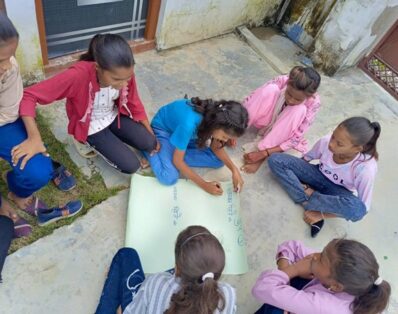
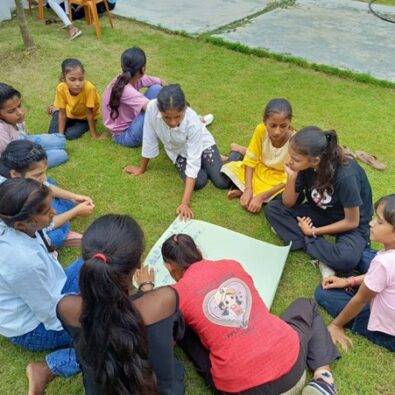
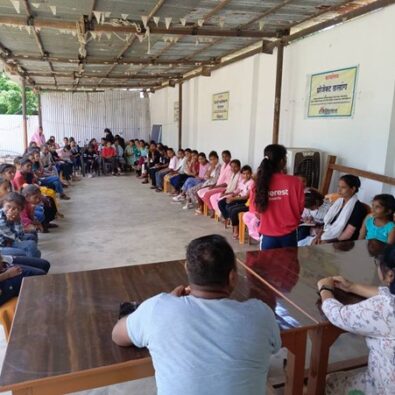
A total of 40 adolescent girls participated enthusiastically in the sessions. The training was conducted through a mix of interactive discussions, group activities, demonstrations, and experience sharing, making the sessions both informative and engaging.
The first day focused on understanding the menstrual cycle, physical and emotional changes, and common myths associated with menstruation. Trainers used visual aids and open discussions to help participants gain clarity on biological processes and overcome social taboos.
On the second day, the emphasis was on practical menstrual hygiene management — including the proper use and disposal of sanitary pads, maintaining cleanliness, nutrition during menstruation, and identifying symptoms of menstrual disorders. Demonstrations were organized to help participants learn the correct ways of handling menstrual products and maintaining personal hygiene.
Participant Response and Outcomes
The participants actively engaged in the sessions, asking questions and sharing their personal experiences. Many expressed that it was the first time they had received such clear and open information about menstruation. The training helped dispel myths and fears, replacing them with confidence and awareness.
Key outcomes of the training included:
- Improved understanding of menstrual hygiene and reproductive health.
- Increased confidence to discuss menstruation without shame.
- Adoption of hygienic practices for better health and well-being.
- Strengthened sense of self-awareness and empowerment among adolescent girls.
Conclusion
The two-day Menstrual Hygiene Management Training proved to be a significant step toward empowering adolescent girls through knowledge and awareness. By addressing a subject often surrounded by silence and stigma, Swabhiman Samiti succeeded in creating an open, safe, and informative environment for learning.
The program not only equipped the participants with practical skills for maintaining menstrual hygiene but also fostered a sense of confidence and solidarity among them. Moving forward, the trained girls are expected to become peer educators, spreading awareness within their schools and communities — contributing to healthier and more informed adolescent lives.