
Breaking the Silence of Men on Sexual and Reproductive Health Rights
The 'Breaking the Silence of Men on Sexual and Reproductive Health Rights' project, implemented in collaboration with Sahayog, Lucknow, focuses on engaging men in rural areas of Uska Bazar Block, Siddharthnagar in conversations about sexual and reproductive health rights (SRHR). Traditionally, men are reluctant to discuss issues like family planning, sexual health, and menstruation. This initiative aims to break this silence, promote awareness, and encourage men to take responsibility for reproductive health within their families. The project directly impacts 350 families and indirectly reaches 1,000 families through community-based activities and health service promotion.
Key Highlights:
- Coverage Area: 12 villages in Uska Bazar Block, Siddharthnagar.
- Families Covered: 350 directly, 1000 indirectly.
- Target Group: Men and boys, particularly in rural communities.
SS







Project Details
- Project Name:
- Breaking the Silence of Men on Sexual and Reproductive Health Rights
- Thematic Area:
- Adolescent & SRHR
- Outcome:
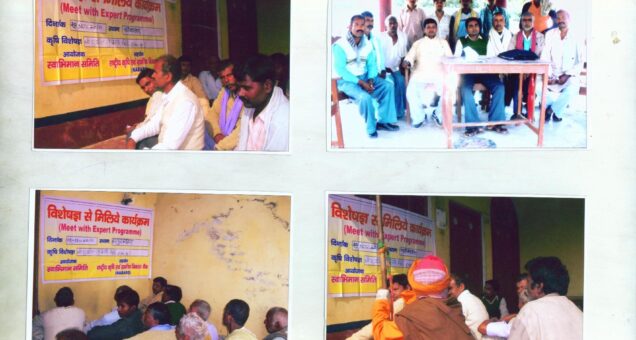
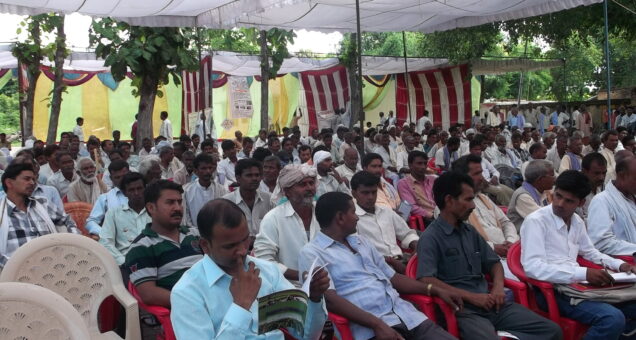
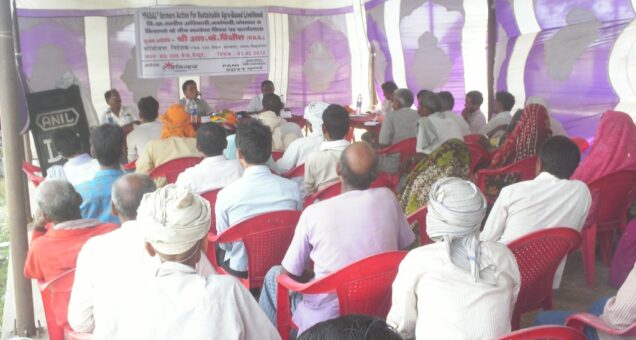
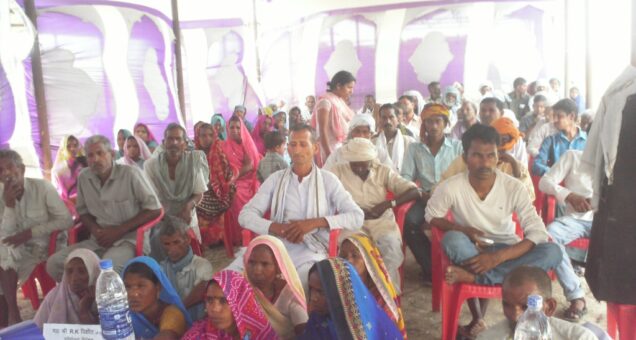
- Awareness about reproductive health issues among men increased significantly, as shown by active participation in workshops and group discussions.
Funded By
- Funder Name:
- Sahayog, Lucknow
- Implementing Body:
- Swabhiman Samiti
Implemented By
Work Place
- Place of Work:
- Siddharthnagar District, Uttar Pradesh, India
- Year:
- 2020-21
Project Overview
The 'Breaking the Silence of Men on Sexual and Reproductive Health Rights' project is a collaborative initiative between Swabhiman Samiti and Sahayog, Lucknow, in partnership with the Health Department of the Government. This project focuses on addressing the silence among men in rural areas regarding sexual and reproductive health rights (SRHR). It aims to open dialogue around critical issues such as family planning, sexual health, menstruation, and reproductive health, which are often ignored or shrouded in silence by men. The program is implemented across 12 villages in Uska Bazar Block, Siddharthnagar, directly benefiting 350 families and indirectly reaching 1,000 families. By breaking the silence, the project seeks to promote a deeper understanding of SRHR issues and encourage men’s active involvement in reproductive health matters.
Objectives
• Engage Men and Boys:
Hold men and boys accountable for issues related to sexual and reproductive health, ensuring they are actively involved in discussions and decision-making.
• Awareness on Available Services:
Increase awareness about the reproductive health services available at the rural level, making it accessible and understandable for men.
• Promotion of SRHR Services:
Encourage the use of sexual and reproductive health services by promoting available facilities at the rural level and motivating health workers to provide quality services.
Background and Rationale
In many rural communities, conversations around reproductive health are often dominated by women, while men’s involvement remains limited. Men typically express opinions on a range of issues but shy away from discussing topics like family planning, sexual health, and menstruation. This silence on important issues leaves gaps in knowledge and awareness and hampers the overall health and well-being of families. By addressing this gap, the 'Breaking the Silence of Men on Sexual and Reproductive Health Rights' program aims to create an open and inclusive dialogue, where men can understand their role in promoting reproductive health, family planning, and overall well-being in the community.
Planned Outreach
The program will cover 12 villages in the Uska Bazar Block of Siddharthnagar, including Amwa, Uchahariya, Kathaha, Tal Bagahiya, Lau-khai, Nagwa, Gaura, Dharampurwa, Mudila, Mudila Deeh, Vishunpur, and Fulwariya. The outreach targets 350 families directly and aims to impact around 1,000 families indirectly through community engagement, awareness programs, and capacity-building workshops. The program’s goal is to ensure that rural men are actively engaged and informed about sexual and reproductive health issues and services.
Key Strategies
1. Community Engagement:
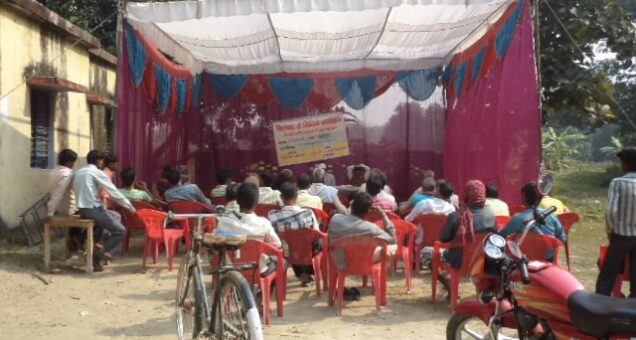
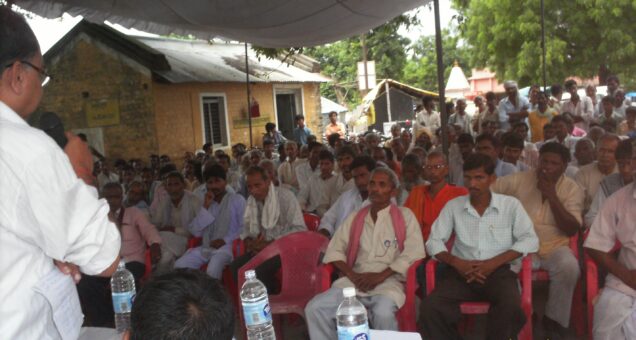
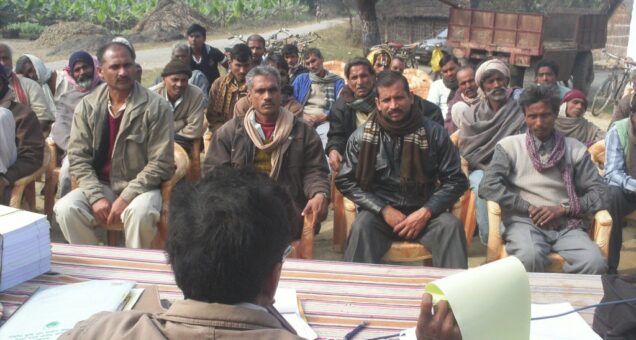
Create awareness in the community through meetings, workshops, and discussions where men can openly talk about reproductive health and their roles in family planning.
2. Training and Sensitization of Men:
Conduct training sessions and group discussions to address the silence surrounding reproductive health and encourage men to actively participate in family health decisions.
3. Collaboration with Health Workers:
Work with local health workers to improve the delivery of SRHR services, ensuring men are informed about and can access quality health services.
4. Strengthening Support Systems:
Build a support system among men and boys for reproductive health rights, ensuring they feel empowered to make informed decisions regarding family planning and sexual health.
Core Activities
1. Awareness Campaigns:
Organize community-based awareness campaigns to highlight the importance of men’s involvement in reproductive health and family planning.
2. Workshops and Training Sessions:
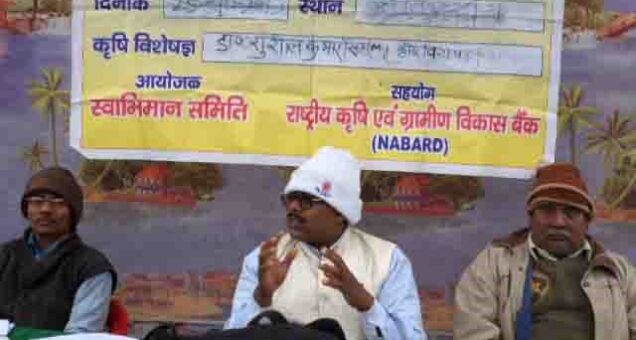
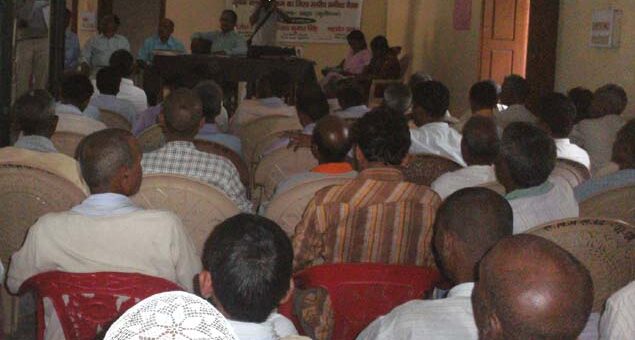
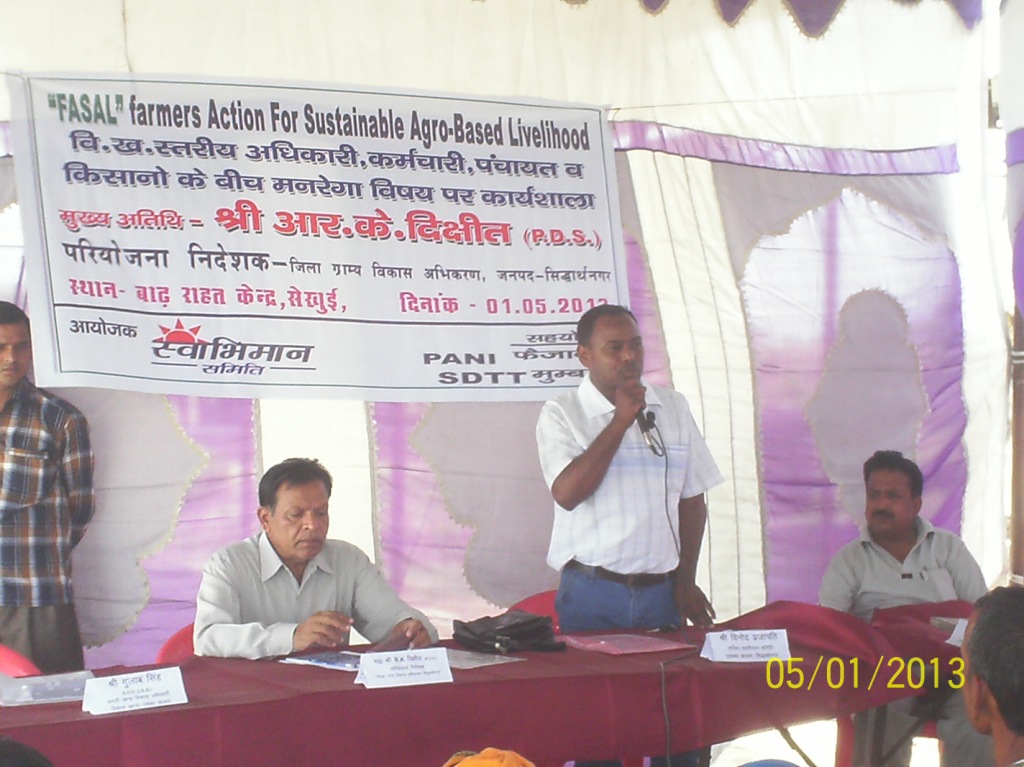
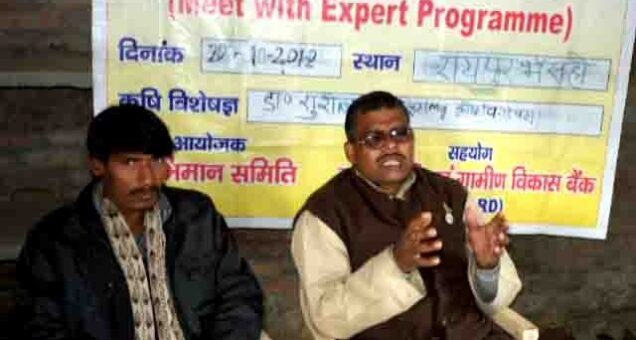
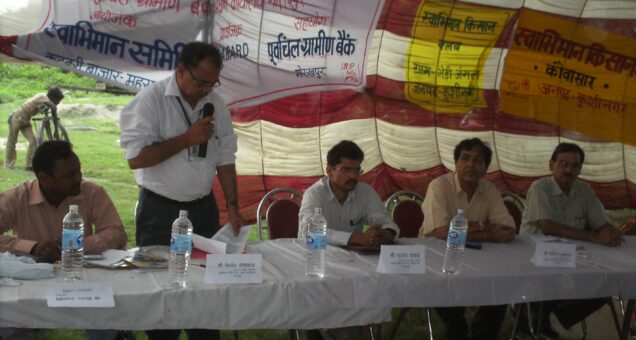
Facilitate workshops and group discussions to engage men in open dialogues on sexual and reproductive health, encouraging them to break the silence and participate in healthy conversations.
3. Health Service Promotion:
Promote the reproductive health services available at the rural level and encourage men to utilize these services along with their families.
4. Collaborating with Health Workers:
Provide training and support to local health workers to help them deliver better SRHR services and educate men about the available facilities and services.
Achievements and Outcomes
• Increased Awareness: Awareness about reproductive health issues among men increased significantly, as shown by active participation in workshops and group discussions.
• Community Engagement: 350 families directly engaged in discussions, with many reporting increased openness in conversations regarding family planning and sexual health.
• Health Worker Collaboration: Health workers reported improved engagement with men in rural areas, who became more receptive to using available health services and facilities.
• Improved Knowledge: Men in the targeted villages demonstrated improved knowledge and attitudes toward reproductive health and family planning, contributing to healthier family decisions.
• Behavioral Change: Several men expressed their intent to participate in family planning decisions and take greater responsibility for reproductive health.
Conclusion
The 'Breaking the Silence of Men on Sexual and Reproductive Health Rights' program has successfully engaged men in rural areas of Uska Bazar Block, Siddharthnagar, in crucial conversations about reproductive health. By addressing the silence surrounding these topics and providing educational support, the program has encouraged men to take an active role in sexual and reproductive health decisions within their families. The project has fostered improved awareness, better access to services, and more inclusive family health discussions. Moving forward, expanding this initiative to other rural areas and continuing to engage men will further strengthen communities and ensure broader access to reproductive health services and family planning.